
Have you ever wondered what a full day Kruger Park safari would be like? If you are visiting the Kruger Park, here is what to expect. Below we explain the “general itinerary of a Kruger Day Safari” followed by some tips and tricks to remember for your Day Safari.

The Early Start
We encourage all guests to get a good night rest the night before for Safari. The day starts with an early morning wake up. An early morning arrival in the Kruger Park allows for a greater chance of seeing predators as they are more active while it is still cool. Even in summer we recommend bringing along a jacket, scarf and gloves as the mornings can get very chilly on the back of the safari vehicle. Below are the Kruger Gate Times (table is from the official SAN Parks Website: https://www.sanparks.org/parks/kruger/get_there/gates.php )

Once arriving at the entrance gate your guide will assist you with all the necessary paperwork before you enter the park. This would be a great time to head to the bathroom and snap a couple of pictures by the gates entrance.

As you enter the gates, there will be an opportunity to stop at the Kruger Shops. If you haven’t packed some snacks and food for the day, this is the place to get. The shops sell lovely souvenirs but our advice is to save the window shopping for a later, you have some animals to see!
You are in! Keep your eyes peeled and binoculars ready. Nothing beats the feeling of being the first to spot an animal. Generally you tend to see many impala, giraffe, wildebeest, elephants and other plains game; however NOTHING is promised in the wild, so enjoy every sighting and take LOTS of pictures.
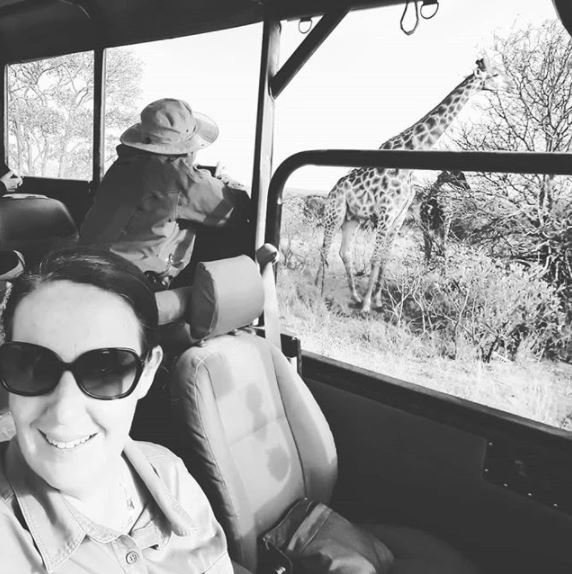
Keep your camera ready
Talking about pictures, let’s talk about the gadgets that take them. It is REALLY handy to keep an extra memory card with you if you are using a camera. You won’t believe how many photos you can take in Kruger and before you know it you would have filled both memory cards. If you are using your phone, we advise to delete any unnecessary pictures the night before to make space. Charge your devices properly beforehand and if you do have a power bank bring that along too. There are spots at the rest camps to charge your devices if needed; however you may be limited with time, so prepare for this properly. A large plastic zip lock bag is also great to put your devices in to protect them against water and dust.
Around breakfast time you guide will stop at a picnic spot where you can exit the vehicle, stretch your legs and have something to snack on. Shikwari offers Kruger Day safaris that can be catered for by a professional chef and take the extra effort of packing your own lunch off your hands. If you do pack your own food, make it easy and light.
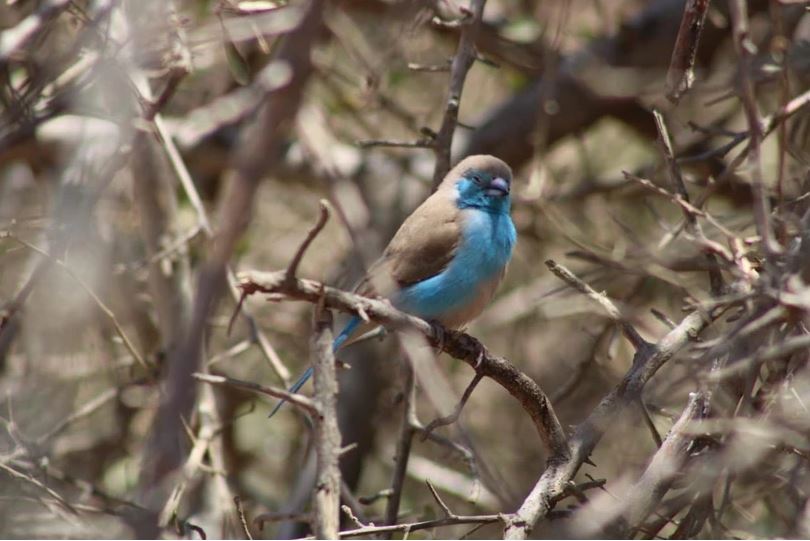
Picnic spots
The picnic spots are a great place to stretch your legs and see the beauty of Kruger from your feet. There are bathrooms, seating areas and viewpoints. You will welcomed by a array of stunning birds and naughty monkey and although they a lovely to watch please do not feed them. It is against park rules and you may be fined for doing so.
Back on the vehicle your Safari continues. Look up in the trees for any leopards having a snooze or in the long Savannah grass under a tree for a cheetah. The animals can be right under your nose. Patience is key.

As the day heats up, we advise that all guests (despite the vehicle having a roof to provide shade) to wear a hat (with a neck strap) and sunscreen (SPF 30+). Apply sunscreen every half an hour for full protection and drinks lots of water. Shikwari Safaris supplies all its guests with a bottle of mineral water.
Lunch time: Your guide will stop at a rest camp where you can grab some food & drinks and have a rest from the morning part of your full day safari. Certain Rest Camps have museums (such as the Letaba Elephant Museum) that have interesting and educational exhibitions and are free of charge. Check out the sightings boards to see what others have spotted on their safaris and do some souvenir shopping at the Kruger shop for your family and friends at home.
Your Afternoon
Once rested, you will hop back on the vehicle for your afternoon part of your Kruger Day Safari. If you pass a watering hole, make sure to look out for any hippos sunbathing or elephants cooling themselves off in the mud and water. Feel free to ask your guide questions about the animals, trees and landscapes. Shikwari’s guides are trained field guides and love to share their knowledge with you and answer any questions you may have. You may even want to bring along a notebook to write down what you have seen and the new things that you learnt.

As your day comes to an end, we would have hoped you saw all that you wished to see! The Kruger National Park is filled with natural beauty and excitement of the African wild making it truly captivating. Words can’t describe the real experience.
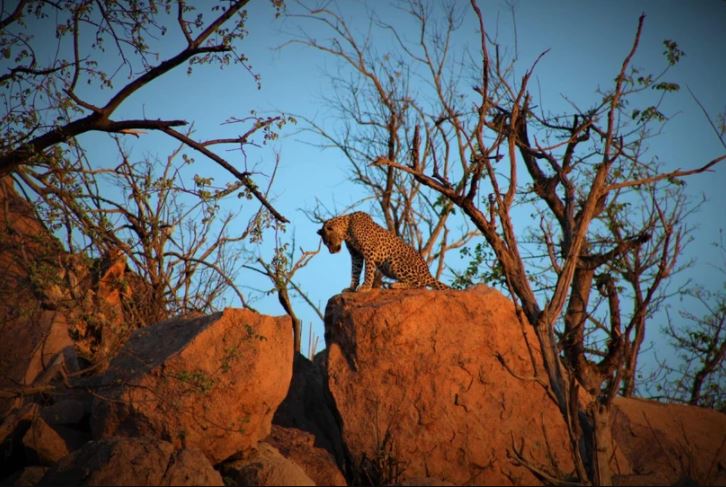
Below is our comprehensive list of tips for your Kruger Day Safaris and how to prepare:
🔋 1. Tech & Camera Prep: Capture Every Moment
Don’t let a dead battery or a full memory card ruin a rare leopard or wild dog sighting.
- Power Up: Charge all your electronic devices fully the night before. Bringing a portable power bank ensures your phone stays alive all day.
- Clear Your Storage: Create extra storage space on your phone and camera, or pack an extra high-speed memory card.
- Protect Your Gear: Pack your binoculars, camera, and a large plastic ziplock bag. The ziplock bag works wonders to shield your delicate gadgets from sudden bushveld downpours and fine safari dust.
👕 2. Safari Clothing: Dress for Comfort and Climate
The lowveld weather changes rapidly from a freezing sunrise to a scorching midday sun.
- Layer Up for the Morning: Wear a warm jacket, scarf, and gloves to combat the chilly early-morning wind in an open safari vehicle.
- Choose Neutral Colors: Wear neutral-colored clothing—such as khaki, brown, or green—to blend into the natural environment. Avoid bright whites, dark blues, or blacks (which can attract insects).
- Sun Protection: Pack a high-factor sunscreen and a wide-brimmed hat. Make sure your hat has a neck strap so it doesn’t blow away while driving!
🎒 3. Bushveld Essentials: Snacks, Cash, & Notebooks
Staying energized and organized keeps you sharp during long tracking hours.
Document Your Journey: Pack a small notebook and pen. Writing down your wildlife sightings and the new tracking facts you learn turns a great trip into a lifelong memory.Please follow our social channels here for regular updates.
Rest Up: Get a great night’s rest before your safari so you stay sharp and alert.
Pack Food & Water: Bring along plenty of water, snacks, and a packed lunch if your tour operator is not catering for you.
Bring Spending Money: Keep some cash or a card handy to buy local souvenirs, snacks, or drinks at the park rest camps.
To connect with us, please get in touch here.