

Can you tell the difference?
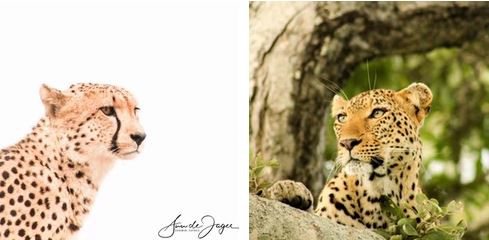
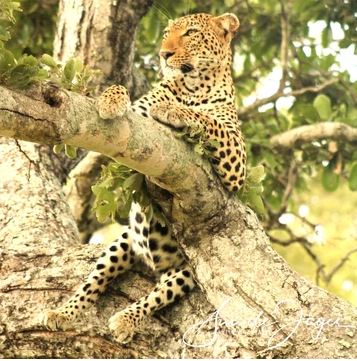
When you encounter Africa’s big cats on safari, telling them apart involves much more than just looking at their spots. The cheetah and the leopard possess entirely different evolutionary designs, hunting strategies, and physical mechanics.
From specialized claw anatomy to pure muscle distribution, here is how nature engineered these two iconic apex predators for survival in the wild.
Retractable Claws vs. Non-Retractable Claws: The Dynamic Difference
The most fascinating differences between these big cats start right at their paws.
Why Leopards Are the “Kings of the Trees”
Leopards possess fully retractable claws, keeping them safely hidden away when walking to maintain sharpness. However, when a leopard needs to scale a steep trunk or grip struggling prey, they actively extend these razor-sharp claws. This exceptional gripping power allows them to dominate the canopy, earning them the well-deserved title: “Kings of the Trees.”
The Cheetah’s Secret Speed Advantage
Conversely, the cheetah stands out as the only cat in the world with non-retractable claws. Because their claws remain permanently extended, they act exactly like track spikes. This unique adaptation provides the cheetah with incredible traction and stability while navigating sharp turns at high velocities.
Muscle Dynamics: The Bodybuilder vs. The Track Runner
Predator Physics at a Glance:
• Leopard: Heavy muscle mass, built for raw strength and vertical climbing.
• Cheetah: Slender, aerodynamic build, optimized for explosive speed.
The Powerhouse: Leopard Strength
Built like a heavyweight bodybuilder, the leopard prioritizes raw, explosive power. Their immense shoulder and neck muscles give them the phenomenal strength required to hoist an entire carcass—often weighing up to 50kg—high into the branches of a tree to keep it away from ground scavengers.
The Sprinter: Aerodynamic Cheetahs
The cheetah trades brute strength for pure, unadulterated speed. Aerodynamically modeled like an elite track runner, the cheetah features a remarkably slender body, a flexible spine, and long, elegant legs. They sacrifice bulk to achieve the fastest land acceleration on Earth.
Hunting Tactics: The Rump First Rule
Because cheetahs lack the heavy muscle mass of a leopard, they cannot defend their kills from larger predators like lions or hyenas for very long. To adapt, cheetahs hunt fast and eat even faster.
As soon as a cheetah downs its prey, it immediately targets the rump—the most energy-dense and nutritional part of the animal—ensuring they get maximum fuel before any competitors arrive to steal the prize.
Ready to Spot These Incredible Cats in the Wild?
Whether you are marveling at the sheer climbing power of a leopard or the lightning-fast agility of a cheetah, seeing these design marvels in person is an unforgettable experience.
What is your favorite African big cat adaptation?
Want to see lions, cheetahs, and leopards in the wild?
Professional guide Ann de Jaguar can give you good advice on how to plan your Kruger national park safari from tailor-made or set holiday packages.
Please follow our social channels here for regular updates.
To connect with us, please get in touch here.